The connective node
between you and the point that helps.
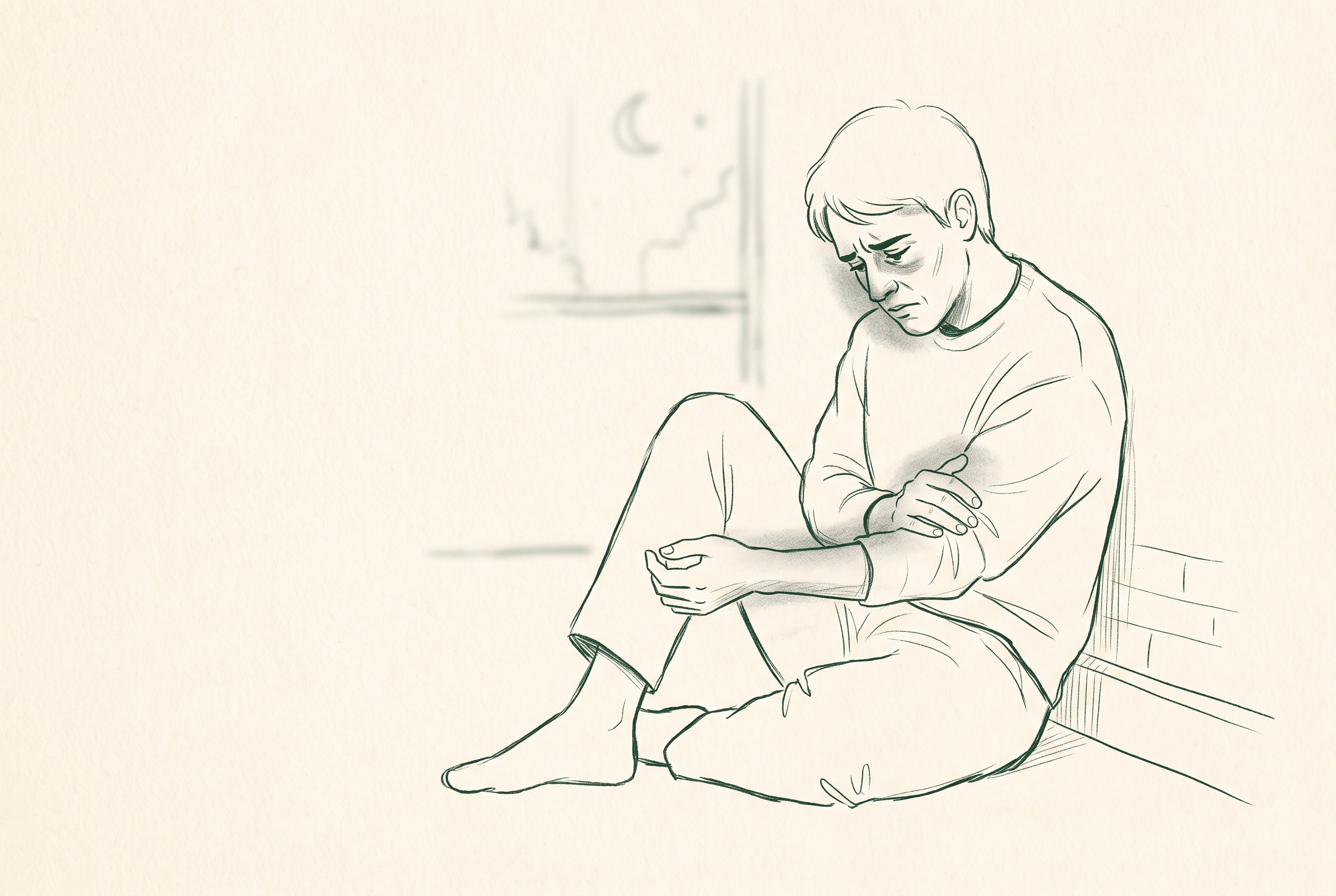
You know something hurts. You don't have a marma specialist, an acupressure practitioner, or a Su Jok therapist standing next to you. MarmaAI is the bridge — right in your browser, no install. It uses your camera to find the exact traditional point on your own hand, in real time, so their knowledge can reach you right now.
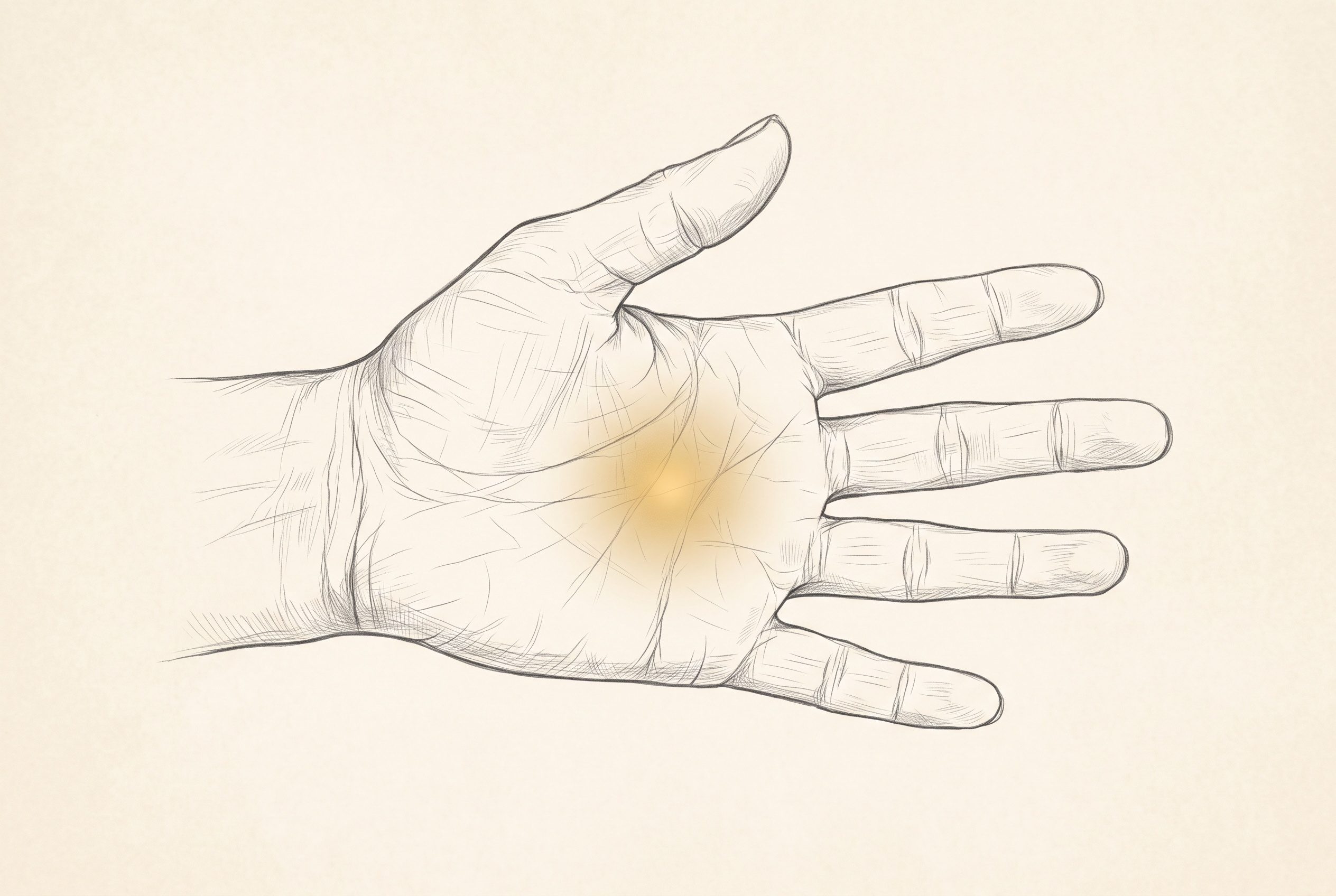
What is a marma point, really?
Marma (मर्म) means "hidden" or "vital" in Sanskrit. The Sushruta Samhita — a foundational Ayurvedic surgical text from ancient India — catalogued 107 of them: precise junctions where muscle, bone, joint, vein, and nerve converge. Classical Ayurveda holds that touch, pressure, or trauma at these junctions has an outsized effect on the body compared to surrounding tissue — which is why marma points were mapped for both healing and harm, millennia before "pressure point" entered any other language.
Marma Vidya
107 points across the whole body, each linked to a dosha (Vata/Pitta/Kapha) and an element. Historically used by physicians and martial artists (Kalaripayattu) alike — the same map, for healing or defense.
Acupressure
Pressure applied along meridians — channels of qi running through the body — at specific points, without needles. Conceptually parallel to marma: fixed anatomical points, disproportionate effect.
Su Jok
A 20th-century correspondence therapy: the hand (and foot) as a complete miniature map of the whole body, each finger and region mirroring an organ or limb. Same instinct as marma vidya — arrived at independently.
Three traditions, three continents, three eras — the same discovery: the hand is a working map of the whole body, and its junctions can be found by touch. MarmaAI didn't invent this idea. It just puts a camera on it.
A hand already knows the whole body.
One camera. A full self-care practice.
This isn't a single AR trick — it's a small, focused toolkit built around the same idea: find the point precisely, then build a real practice around it.
AR Point Finder
Your browser's camera locates your hand or arm in real time and overlays the exact traditional point — on-device, nothing uploaded.
Tracking Confidence
A live score tells you how clearly the camera can see you — not your technique. Verified, Jitter, or Unverified, always visible, never hidden.
Point Library
Every supported point, with anatomical location, historical context across all three traditions, and clear safety cautions — education first, always.
Guided Sessions
Timed 2–4 minute practices per point, with step-by-step guidance and a HUD that tells you when you've actually found it.
Practice Analytics
Streaks, weekly minutes, and a per-point history — so a two-minute habit turns into a visible pattern over weeks, not a one-off.
On-Device Privacy
Hand detection runs entirely in your browser. Video frames are never uploaded, ever — only anonymized session length and confidence are stored, locally.
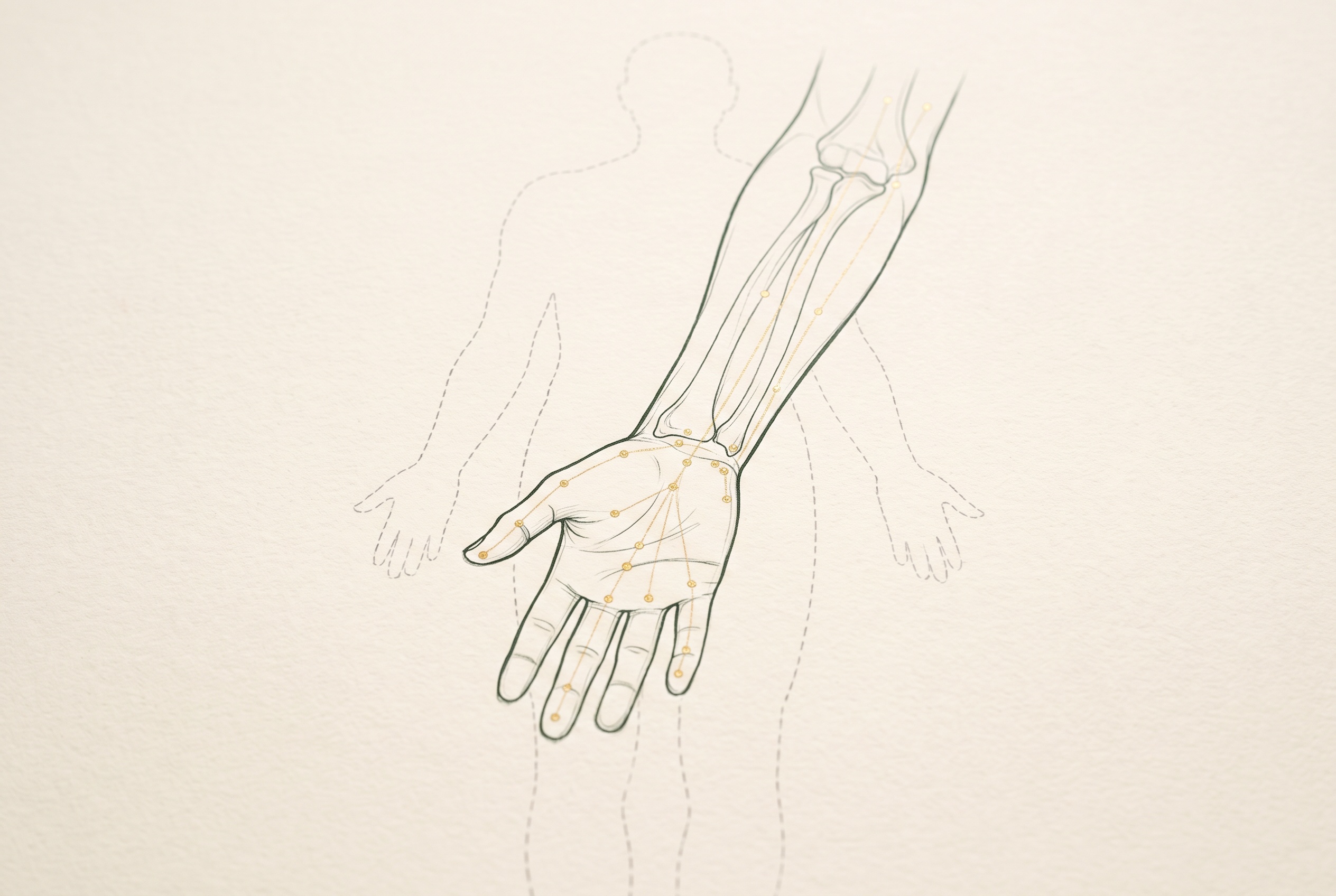
Meet the seven points, ground-truth measured.
Real anatomical illustrations from the actual Point Library — the same ones your camera finds in the app, each with a measured tracking error, not just a claim.
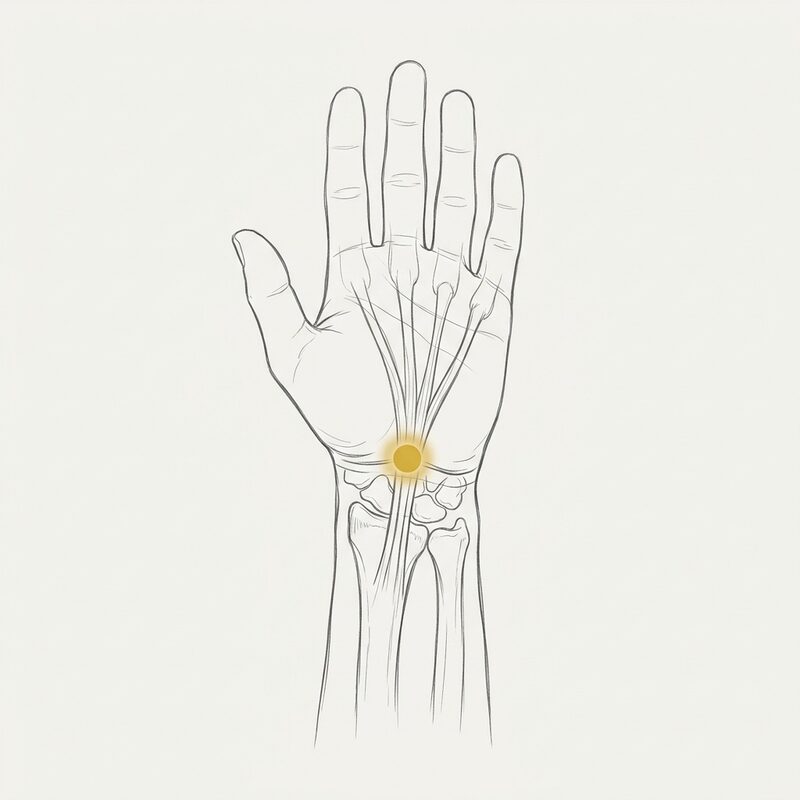
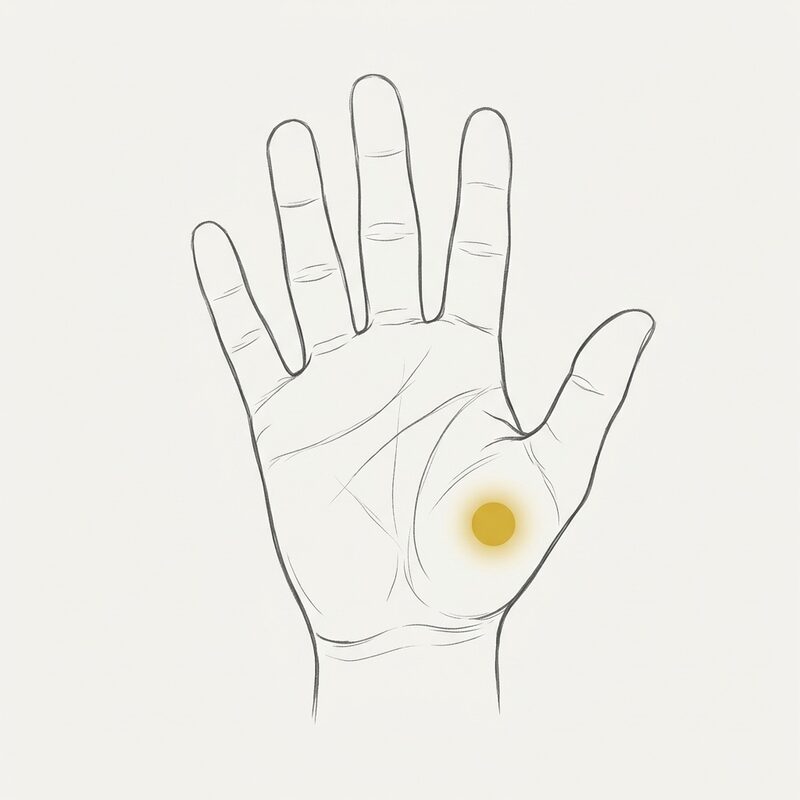
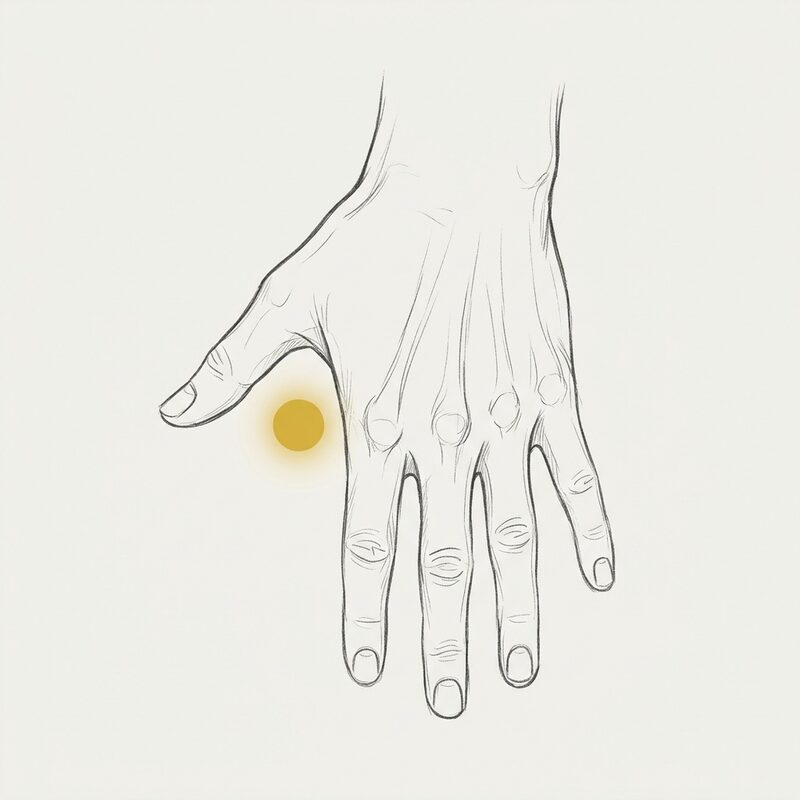
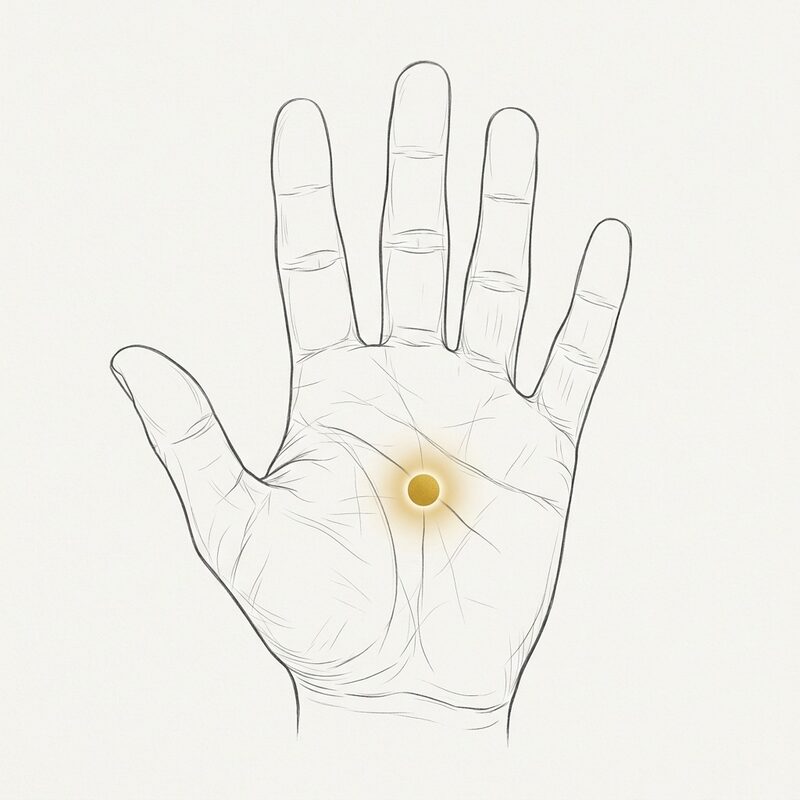
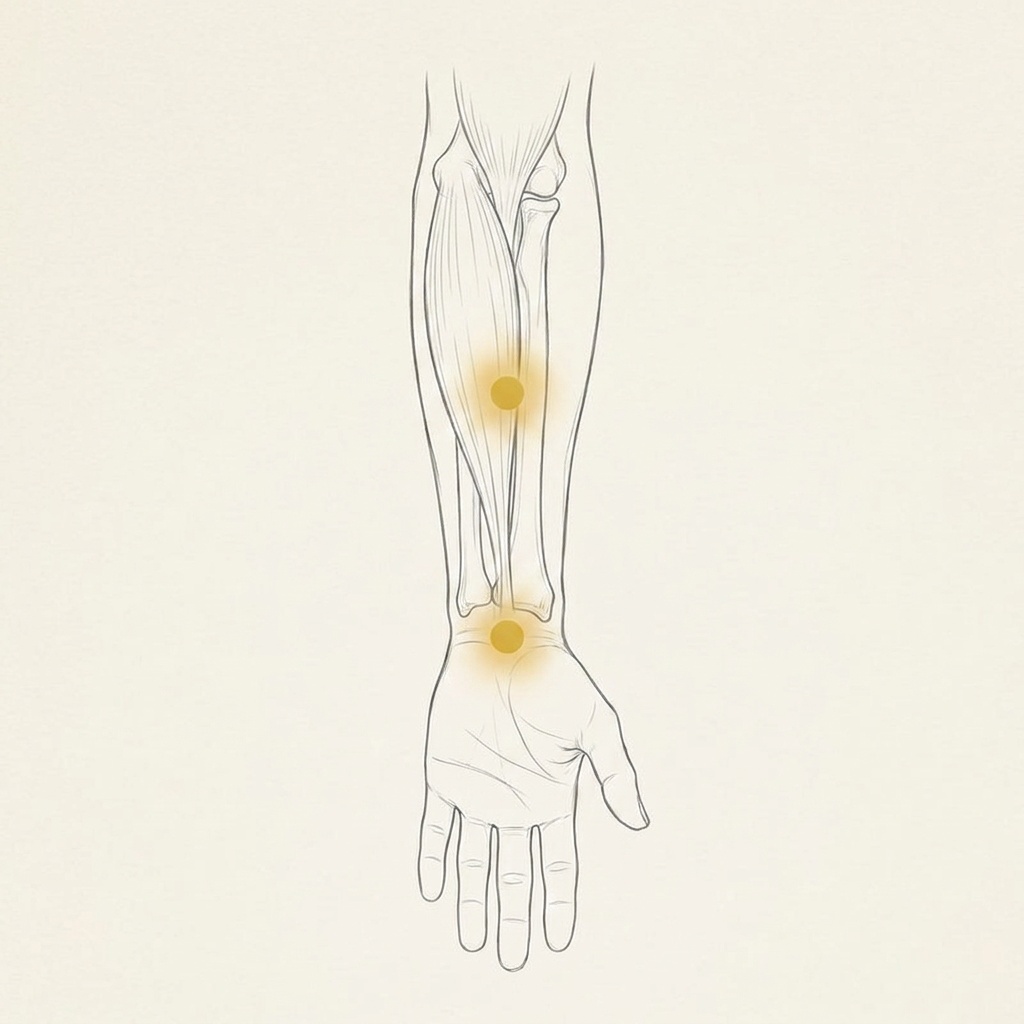
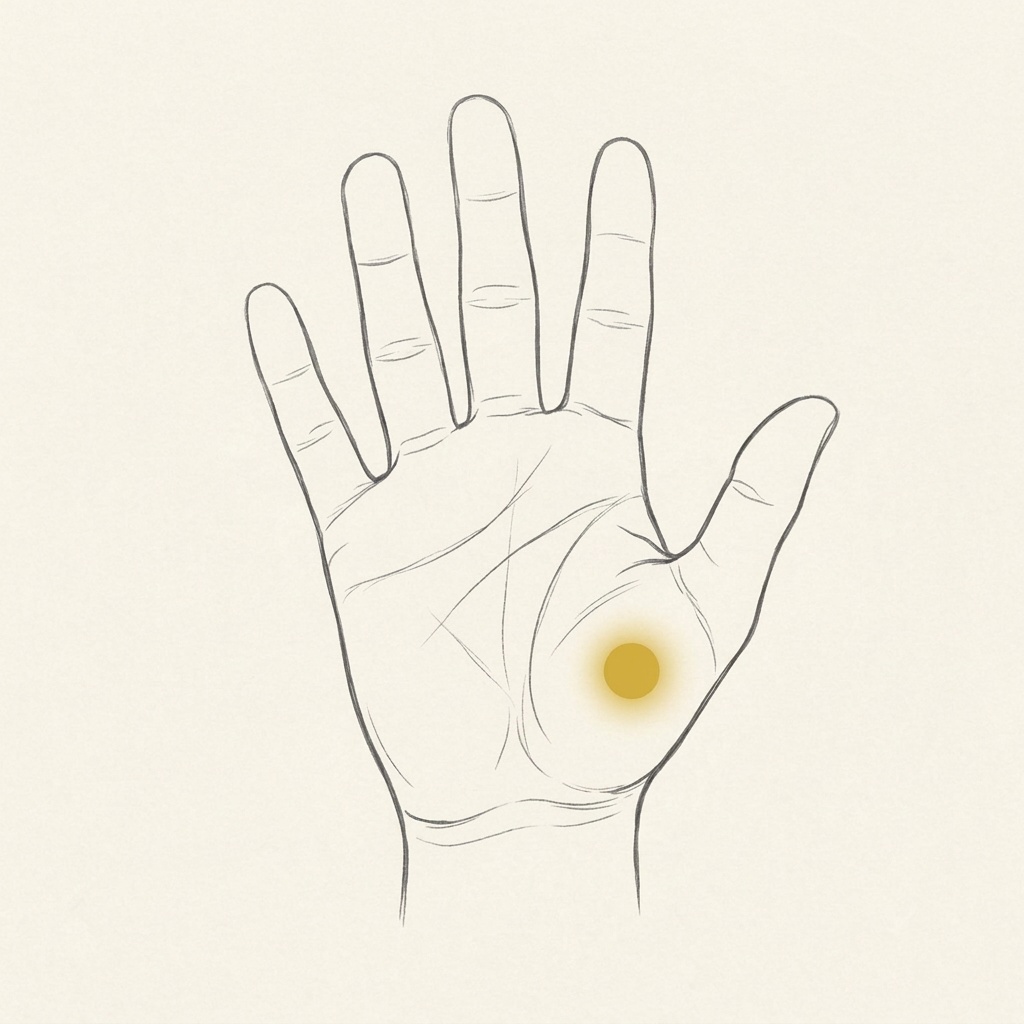
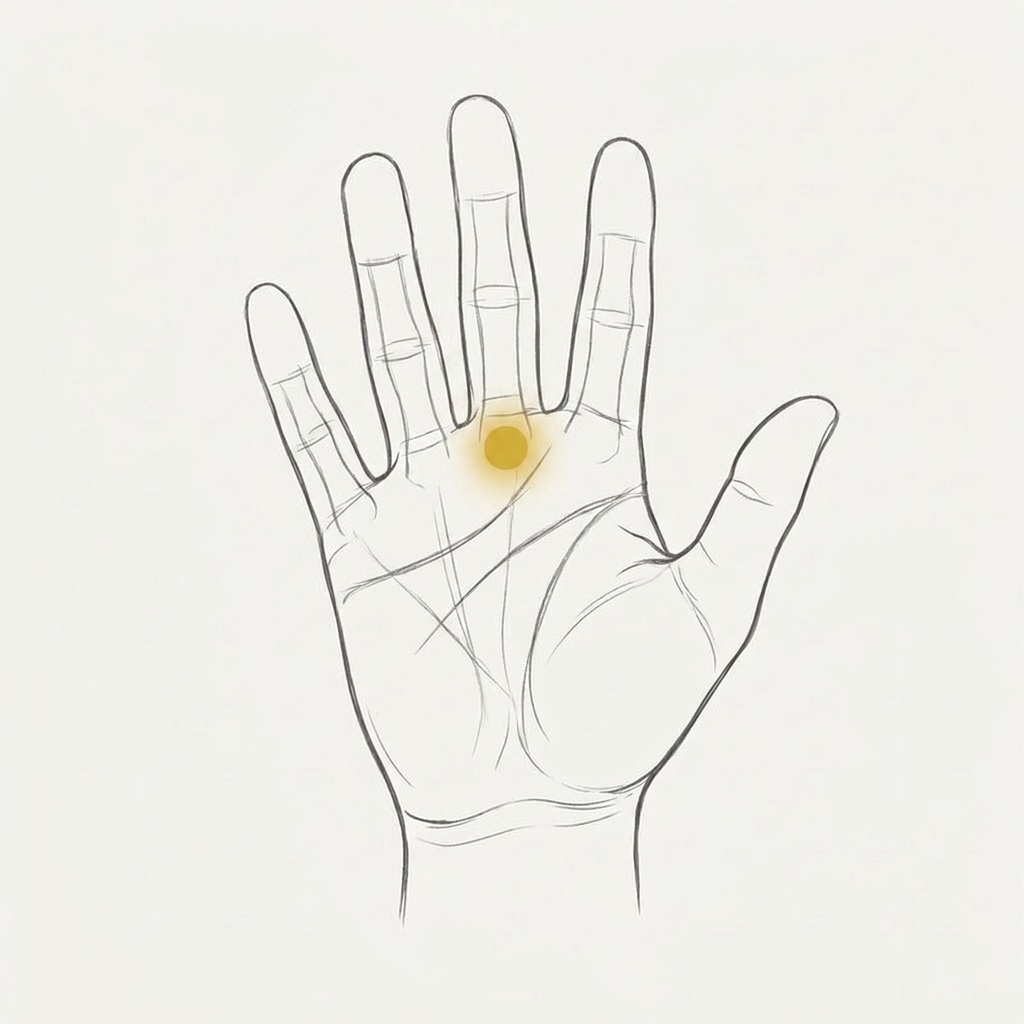
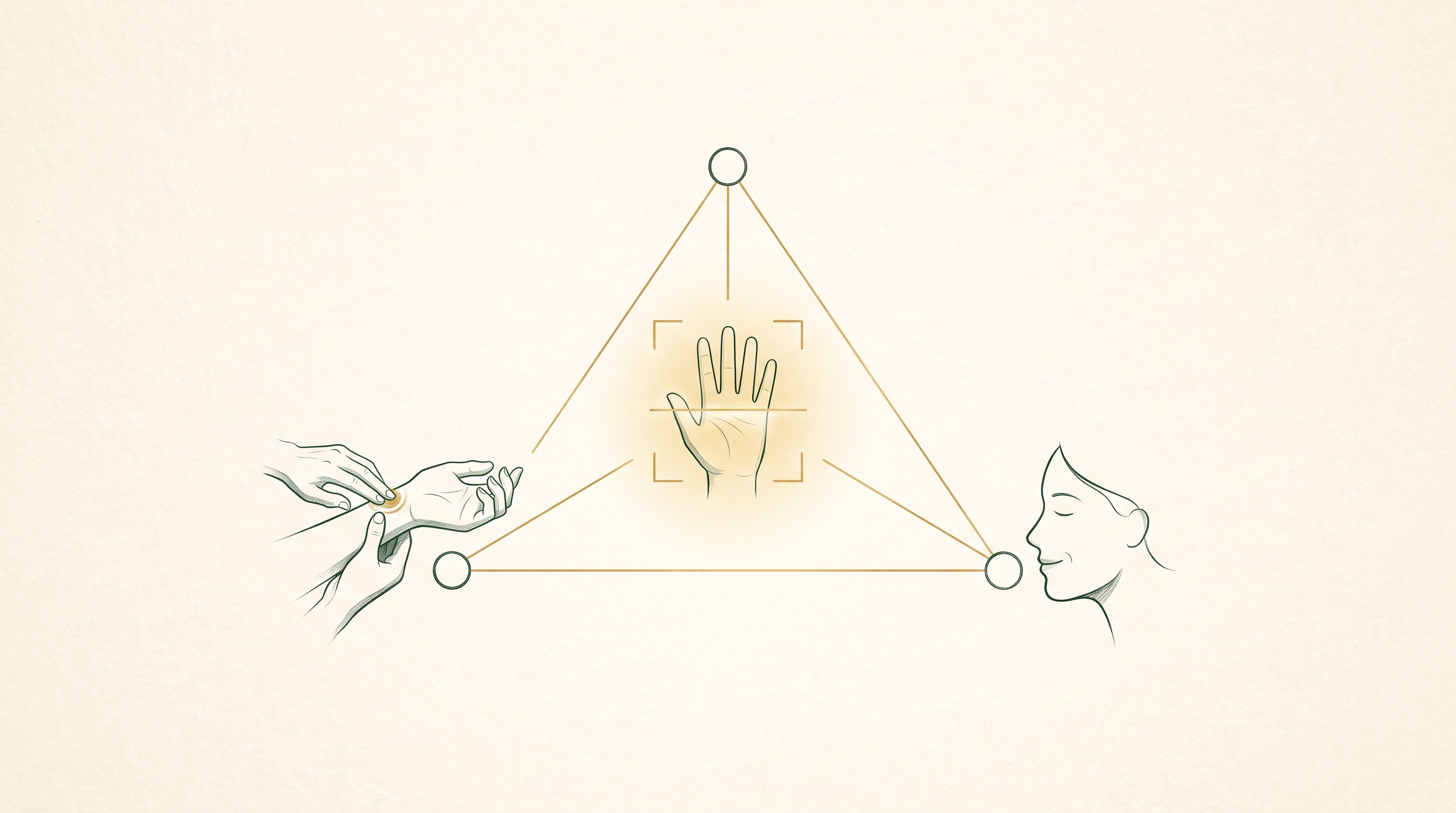
Specialist knowledge → MarmaAI → you.
We're not trying to replace the practitioner. We're the layer that sits between "a trained hand would know exactly where to press" and "I have pain, right now, with no one in the room."
Ayurveda · Acupressure · Su Jok
Centuries of hand-mapping traditions — marma vidya's 107 points, acupressure's meridians, Su Jok's whole-body correspondence on the hand — encode exactly where to touch, and why.
MarmaAI
Your camera, on-device, locating your hand in real time and overlaying the traditional point with a live confidence score — precise where the model is trained, honest where it isn't.
You
No appointment, no guesswork. Just your hand, your camera, and a point you can actually find — today, on the hand, ground-truth measured.
We'd rather undersell than overclaim.
MarmaAI's pipeline tracks 21 candidate points on the hand and forearm, but we only call a point "live" once it has a real, measured error against ground truth — not just a geometric formula. The classical tradition maps 107 marma points across the whole body — we show you the 7 our model can actually measure with confidence, and we're building toward the rest in the open.
Before you begin.
Show it your palm.
Two minutes, one point, one honest confidence score.
Begin with your palm →